You know, in today's world, being able to navigate precisely is super important. That’s why the integration of Space Integrated GPS and INS technology is really shaking things up when it comes to improving navigation accuracy in all sorts of applications. A recent report from MarketsandMarkets even shows that the global inertial navigation system market is expected to hit a whopping $13.5 billion by 2025! This growth is mostly fueled by tech advancements and the growing need for reliable navigation systems. Now, here’s where it gets interesting: Poseidon International Group (Hong Kong) Limited has been making waves since its founding in 2013. They’re really leading the charge in this field, focusing on independent research, design, and the production of cutting-edge fiber optic gyroscopes (FOG) and inertial navigation systems (INS). With a bunch of technical patents under their belt, they’re all about pushing the boundaries of what’s possible in navigation. They’re tackling the problems that traditional systems face and opening up new paths for better solutions in our increasingly connected world.

The Future of GPS INS Technology in 2025: Key Innovations to Watch
As we roll into 2025, it’s pretty exciting to see how fast technology is evolving, especially when it comes to cars and integrated navigation systems. At CES 2025 in Las Vegas, we witnessed some impressive breakthroughs in artificial intelligence, which are really going to boost vehicle performance and safety. With all these AI-driven advancements, navigation can be more precise than ever, and they're making strides toward autonomous driving, which means our daily commutes could be getting a whole lot smarter and easier.
On top of that, China’s tech scene is really stepping up as a major player on the global stage, focusing heavily on AI and diversifying into semiconductor tech. You can see this relentless drive for innovation everywhere, as companies back home ramp up their research and development efforts to stay ahead, tackling tough challenges in a bunch of different industries. And then there’s Poseidon International Group – they're at the forefront of this shift, pushing forward with inertial navigation systems and autonomous driving technologies, while also making a mark on the world with their cutting-edge fiber optic gyroscopes and control systems.
Top Benefits of Integrating Space Technology with GPS INS Systems
You know, the way space tech and GPS Inertial Navigation Systems (INS) have come together is really impressive. It’s like a whole new era for navigation accuracy! A recent report from MarketsandMarkets suggests that the worldwide GPS market, along with INS, is on track to hit a whopping $106.3 billion by 2025. And that’s largely thanks to the growing need for precision in fields like aerospace, automotive, and maritime. With all these advancements in satellite technology, we’re seeing a huge leap in accuracy—some of these systems are even getting location errors down to less than a meter in a bunch of applications!
One major perk of blending these technologies is the added resilience against signal disruptions. The International Telecommunication Union found that around 30% of GPS signals can just vanish—yeah, gone!—especially in tricky spots like urban canyons or dense forests. But with the smart use of space-based data, INS can keep you on track even when those traditional signals are nowhere to be found. It’s like having a trusty backup that really comes in handy! Plus, this hybrid system offers real-time updates and corrections, which makes the navigation data a lot more reliable—super important for things like self-driving cars and drone operations.
The Integration of Space Technology with GPS INS Systems
Enhancing Navigation Accuracy: How GPS INS Can Transform Various Industries
You know, as industries are leaning more on precise navigation systems, the combo of GPS and Inertial Navigation Systems (INS) is really a game-changer. Lately, there have been some cool breakthroughs in quantum tech that could boost GPS accuracy from meters to just centimeters. This is huge, especially for areas like precision agriculture! A report from the Quantum Economic Development Consortium suggests that quantum sensors could totally shake up navigation systems and set a brand new bar for how accurately we measure things. Just imagine what this could do for farmers—they could really step up their game with climate-smart farming, nailing their planting and harvesting like never before.
And it’s not just about farming. The UK's push into quantum-enabled atomic clocks shows that the military’s serious about keeping operations secure with top-notch navigation tech. But the impact doesn’t stop there; think about the financial sector and transport logistics. They’re probably in for some big changes too since more dependable navigation can trim costs and supercharge efficiency. According to the UK Space Agency, businesses that jump on this bandwagon could not only improve their services but also score a real edge in the fast-evolving navigation tech scene. It’s pretty exciting times ahead!
Challenges in Current GPS INS Technology and Solutions on the Horizon
You know, the way GPS and Inertial Navigation Systems (INS) have come together really has changed the game for navigation in so many areas—think aviation or even self-driving cars! But, it’s not all smooth sailing. Right now, the GPS INS tech we have does face some pretty hefty challenges that can throw off how accurate it is. A biggie is how sensitive GPS signals are to stuff like tall buildings or dense trees. When they get blocked or interfered with, the positioning can take a hit. Plus, if you’re relying just on GPS while making quick turns or moves, there's a chance it could momentarily lose accuracy because the data takes some time to catch up.
Now, don’t get me wrong, solutions are popping up! There’s this exciting progress in sensor fusion techniques that’s happening. We’re talking about mixing data from all kinds of sources—like LiDAR, radar, and cameras—which makes navigation systems a lot tougher when they’re up against tricky environments. And let’s not forget about those new satellite constellations! They’re being set up to give better coverage and pinpoint accuracy, which means we can rely on positioning even in really tough spots. As this tech keeps moving forward, I think we’re really going to see some noteworthy improvements in navigation accuracy, which is fantastic for making travel safer and more efficient.
Predicted Trends in GPS INS for Enhanced User Experience and Reliability
You know, the combination of GPS and INS tech is really on the brink of some exciting changes in the next few years. It’s all about making navigation much smoother and more reliable for everyone. A recent study by ResearchAndMarkets even says that the global GPS INS market is expected to grow at a pretty impressive rate of 7.2% yearly from now until 2030. This boom is largely because there’s a growing need for super accurate navigation in all sorts of fields like aerospace, automotive, and marine. Plus, with better algorithms that blend GPS and INS data, we’re looking at improvements in accuracy that could surpass 10 meters, even in tough spots where GPS signals struggle to reach.
Looking down the road, there are some pretty cool trends that are going to shape the future of GPS INS systems. For example, the rise of AI and machine learning in navigation systems is going to help with making quicker and better decisions on the fly. A report from MarketsandMarkets points out that adding AI to navigation can drop error rates by as much as 30%, which is huge for reliability. And don’t forget about the new multi-constellation GNSS and fancy sensor fusion techniques; these advancements will help people get accuracy like we’ve never seen before. It’s really going to change the game for navigation across various industries and make the whole experience a lot better!
Case Studies: Successful Implementation of Advanced GPS INS Solutions
In the realm of modern navigation, the integration of Global Positioning System (GPS) and Inertial Navigation System (INS) technologies has revolutionized accuracy and reliability. Case studies highlighting successful implementations of advanced GPS INS solutions showcase their transformative impact across various industries. For example, in the aviation sector, a commercial airline implemented an integrated GPS INS system that improved their approach and landing accuracy significantly. By combining GNSS data with inertial measurements, the airline achieved a reduction in approach times and minimized disruptions caused by adverse weather conditions.
Similarly, in the maritime industry, shipping companies have adopted advanced GPS INS solutions to enhance vessel navigation. One notable case involved the integration of these systems within a fleet of cargo ships, resulting in optimized routes that decreased fuel consumption and delivery times. The combination of real-time GPS data with persistent inertial navigation provided a comprehensive understanding of a vessel’s position and movement, allowing for more precise course adjustments. Such implementations not only improve operational efficiency but also contribute to environmental sustainability by reducing emissions associated with longer travel times.
Exploring the Benefits of GPS-Aided Sensor INS670: Elevating Precision with Closed-Loop Fiber Optic Technology
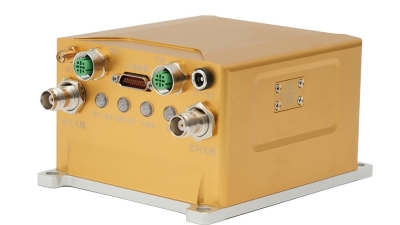
In the realm of advanced navigation technology, the GPS-Aided Sensor INS670 stands out as a game-changer, particularly with its implementation of closed-loop fiber optic technology. This cutting-edge system integrates fiber optic gyroscopes (FOG) with MEMS accelerometers, providing exceptional accuracy and reliability in various navigation applications. By harnessing multiple satellite navigation systems—GPS, BDS, GLONASS, and Galileo—the INS670 ensures that users benefit from real-time data on heading, attitude, speed, position, angular rate, and acceleration, ultimately delivering seamless navigation performance across diverse environments.
One of the outstanding features of the INS670 is its compact design and low power consumption, making it an ideal choice for vehicle navigation, marine applications, aerospace, UAVs, and engineering surveying. The system’s ability to support external sensors, such as odometers and DVL, enhances its versatility, allowing it to adapt to the specific needs of demanding applications. With its multi-mode navigation and centimeter-level positioning precision, the Poseidon INS670 High-Precision Integrated Navigation System elevates the standards of what users can expect from modern navigation technology, bringing unparalleled precision and reliability to their operations.
FAQS
: The integration enhances navigation accuracy, resilience against signal disruptions, and provides continuous navigation in challenging environments, significantly improving the reliability of data for sectors like autonomous vehicles and UAV operations.
The global GPS market, coupled with INS, is expected to reach $106.3 billion by 2025.
Recent developments in quantum technology have the potential to enhance GPS accuracy from meters down to centimeters, which is crucial for sectors such as precision agriculture.
Enhanced accuracy from GPS INS integration can empower farmers to implement climate-smart agriculture practices, optimizing planting and harvesting strategies significantly.
Yes, in the aviation sector, a commercial airline improved its approach and landing accuracy significantly with an integrated GPS INS system, while in maritime, shipping companies optimized routes, reducing fuel consumption and delivery times.
This hybrid approach allows for real-time updates and corrections, ensuring continuous navigation even when traditional GPS signals are lost, which is especially useful in urban or forested areas.
Quantum-enabled atomic clocks enhance secure operations in military applications and could transform financial services and transport logistics by providing more reliable navigation data.
By optimizing routes and decreasing fuel consumption, these solutions help reduce emissions associated with longer travel times in sectors like maritime transportation.
Businesses leveraging advancements in GPS INS technology can enhance service delivery and gain a competitive edge in the evolving landscape of navigation technologies.
Improved accuracy and reliability from GPS INS integration can reduce costs and improve operational efficiency in transport logistics, leading to better delivery schedules and reduced delays.

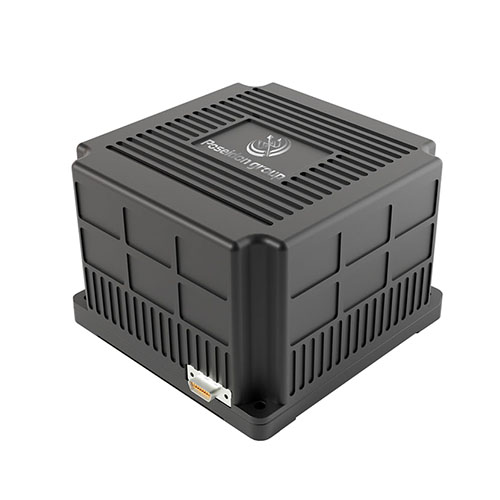 TBSD60
 BSD120
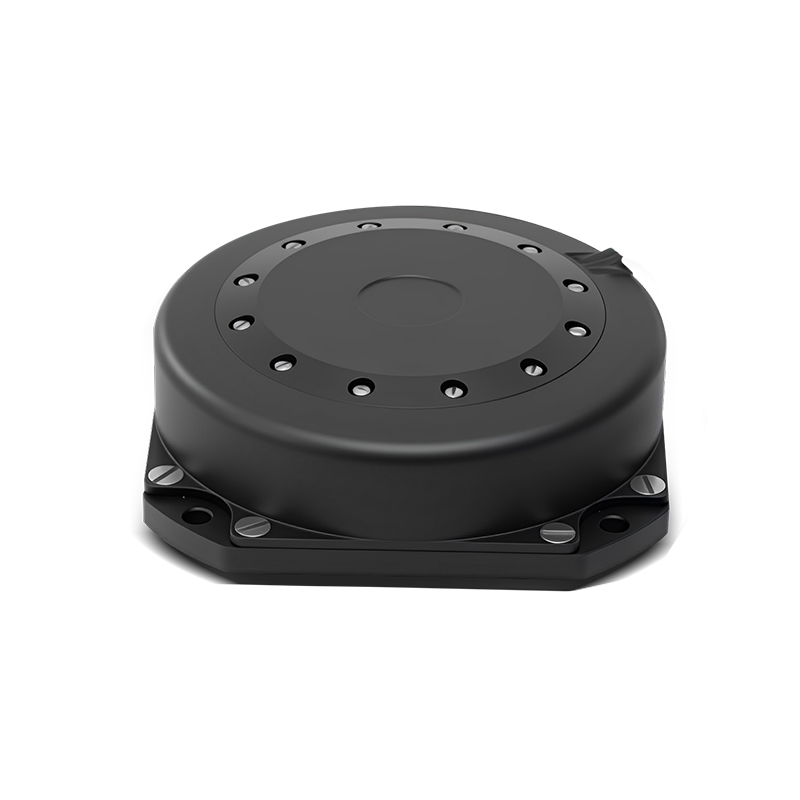 BSD98
BSD98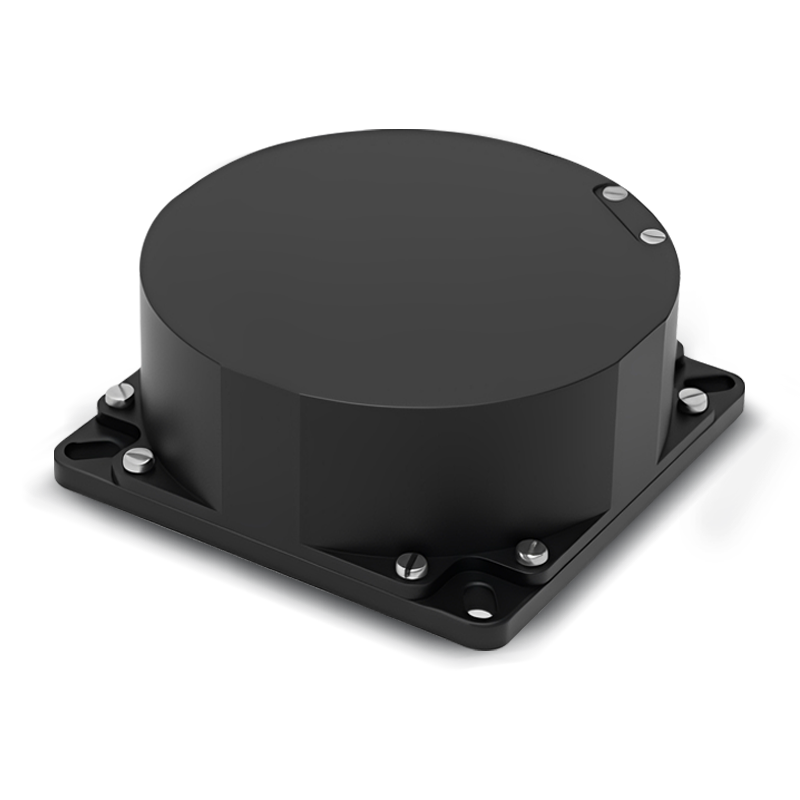 BSD70
BSD70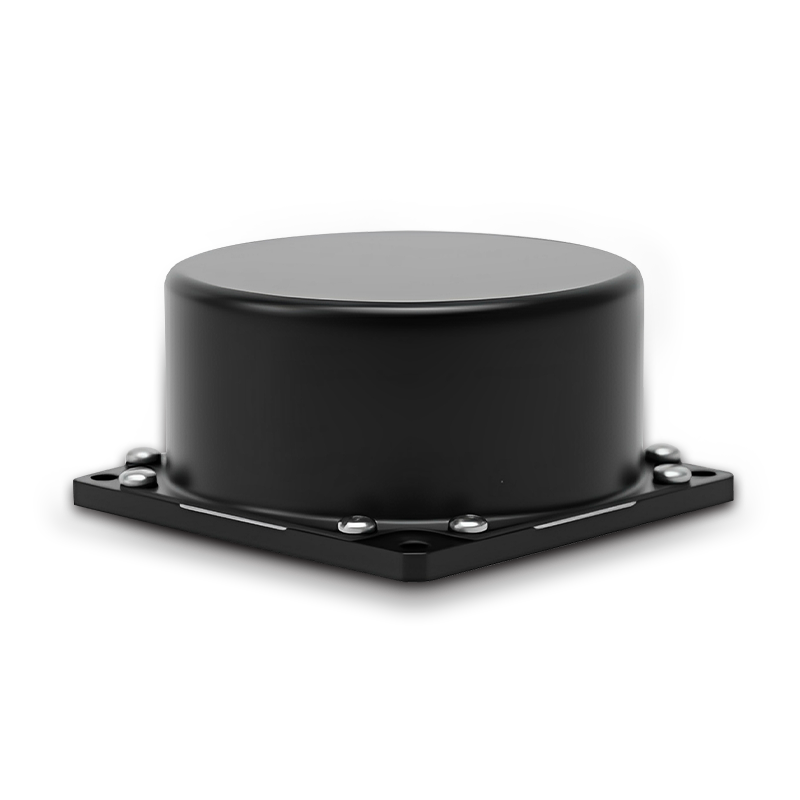 BSD60
BSD60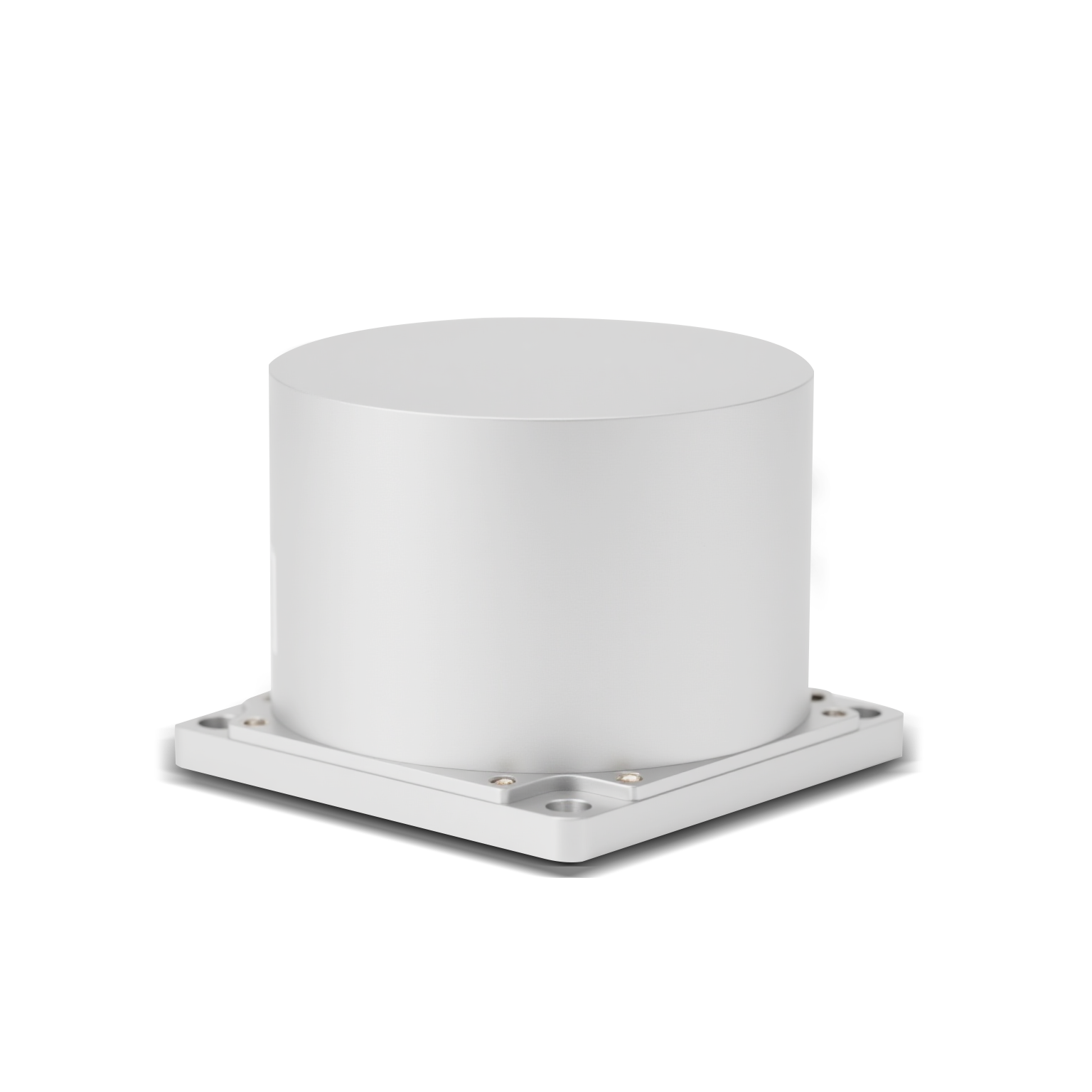 BSD50
BSD50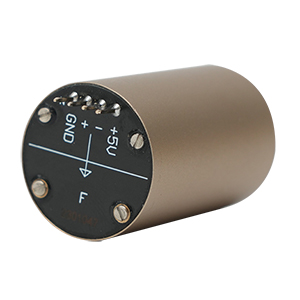 BSD217
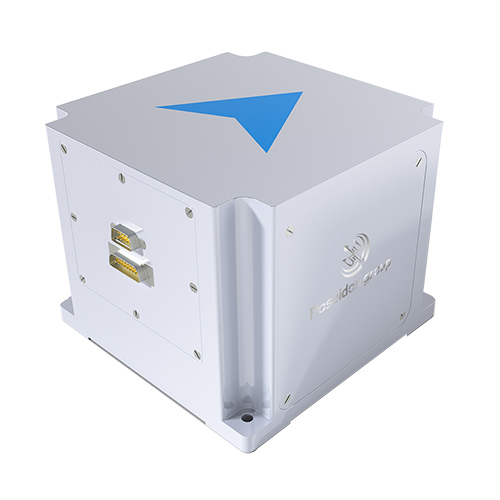 INS1700
 INS970
 INS570
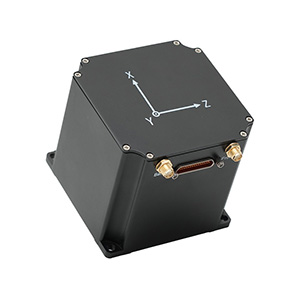 INS170
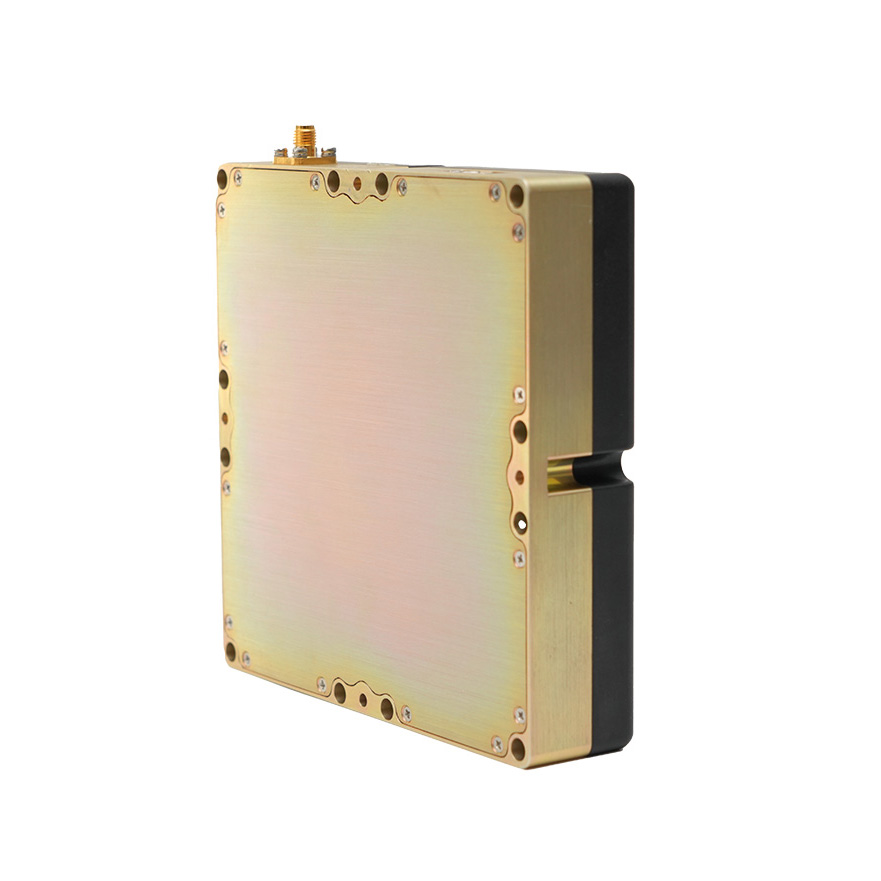
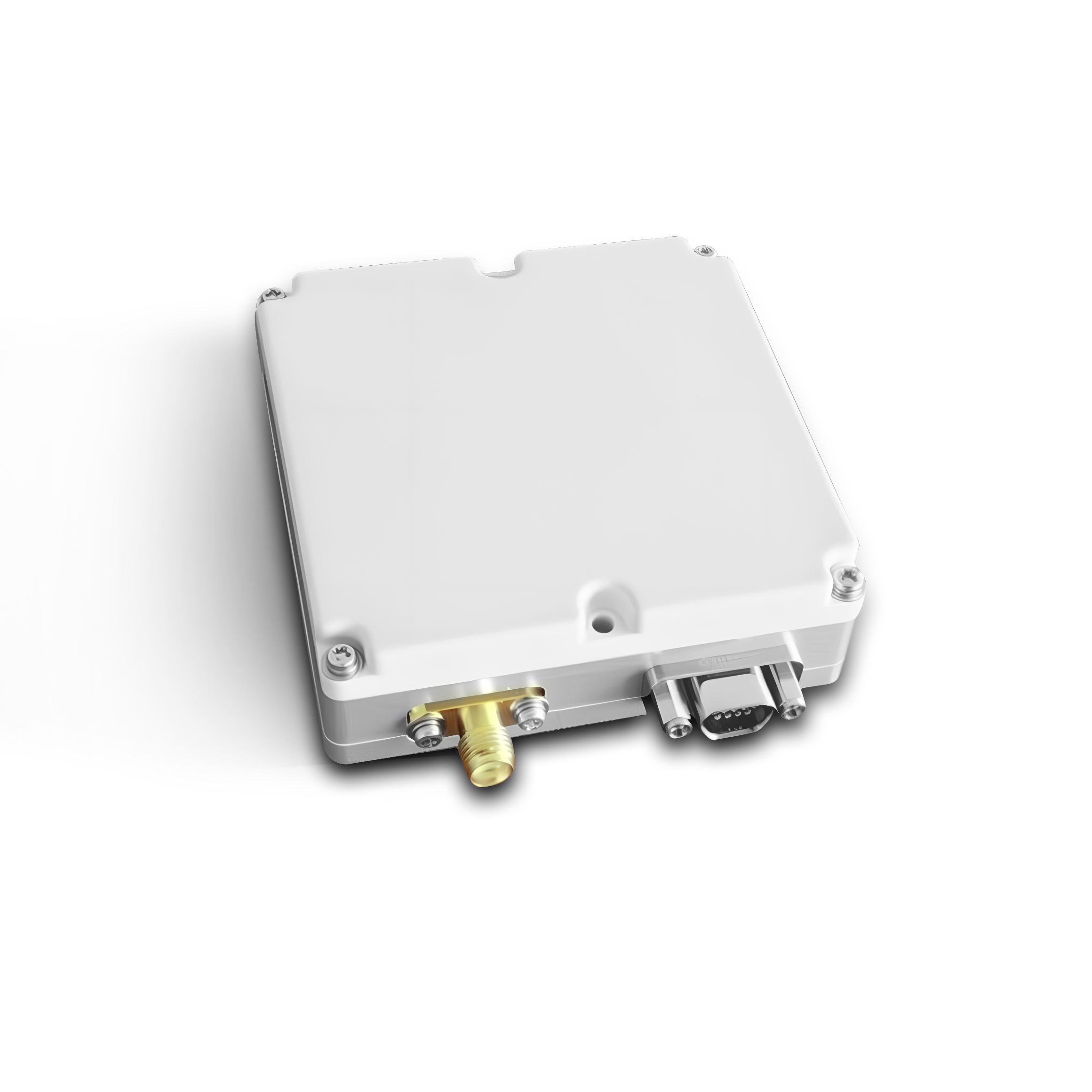 SLA-4B1L1-65
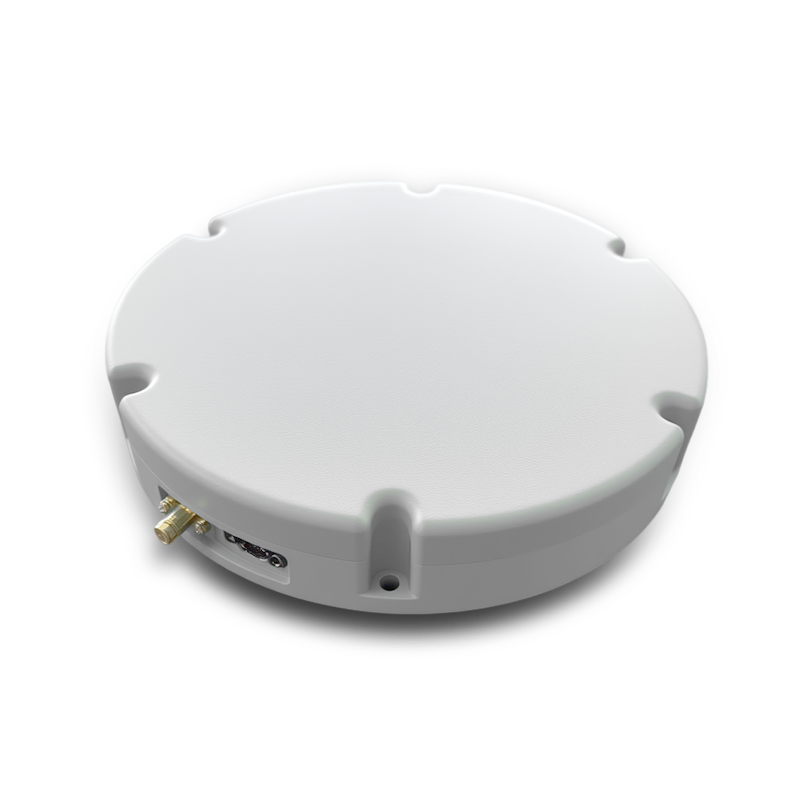
 SLA-4B1L1-130
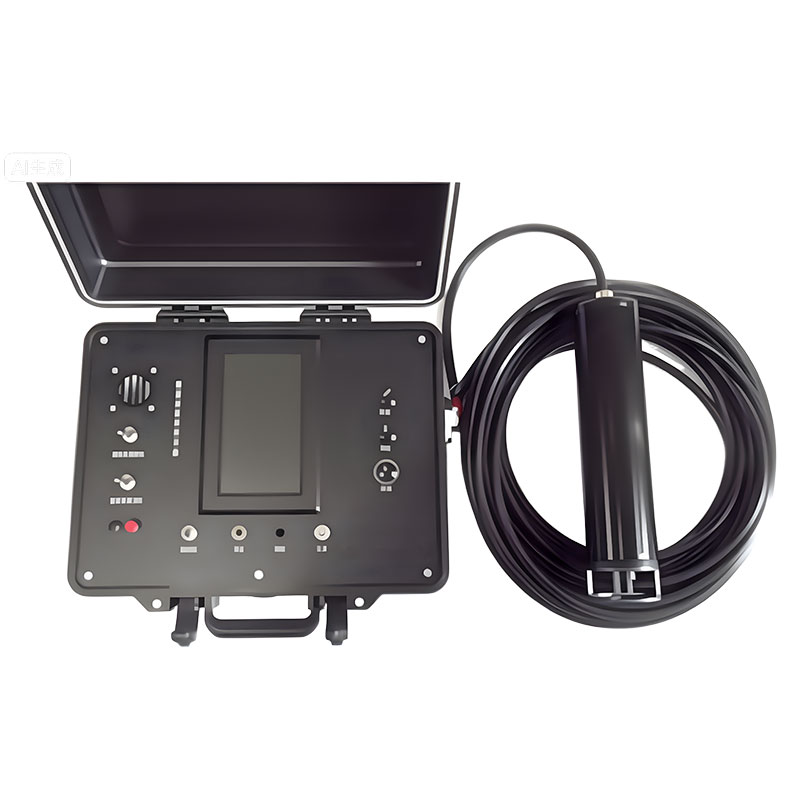
 SLA-8B1L1-165
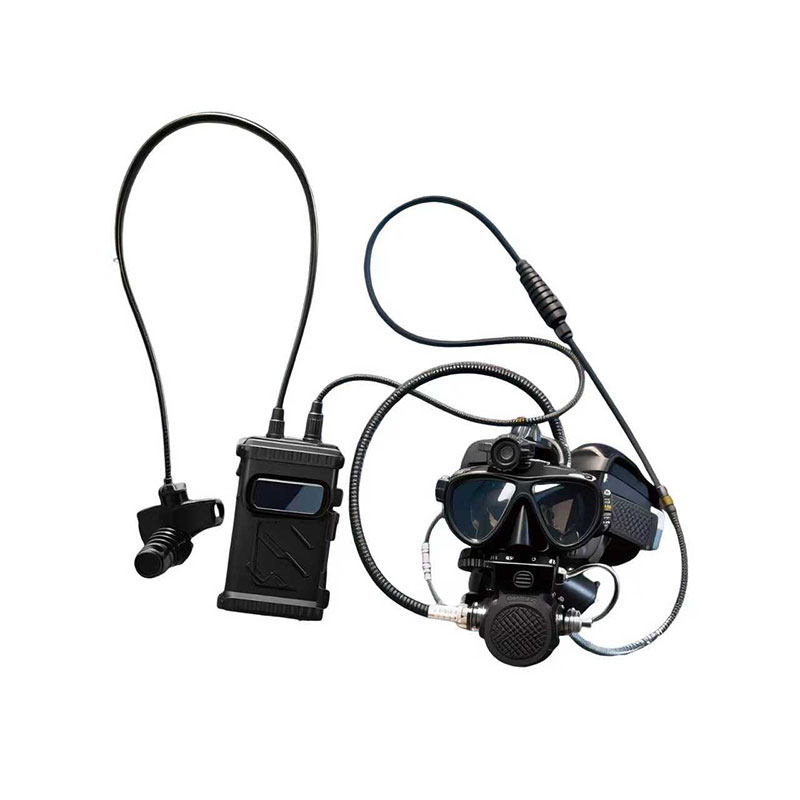
 DIVER 101
 DIVER 102
 DIVER 103
 DIVER 104
 DIVER 105
 DIVER 106
 SLLR3000
 SLLR905
 SLLD25
 160M
160M 170M
170M SLFC-70
 SLAF280
 MR360
MR360