
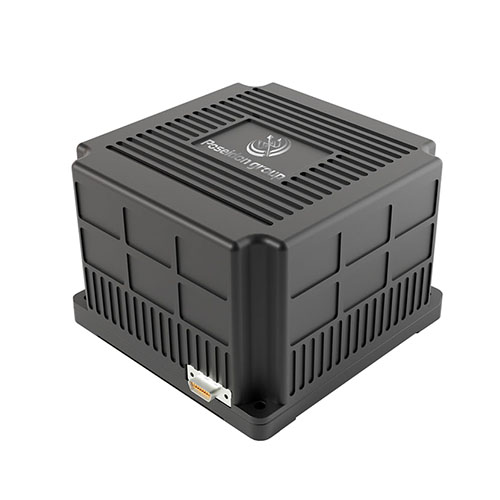
 TBSD60
 BSD120
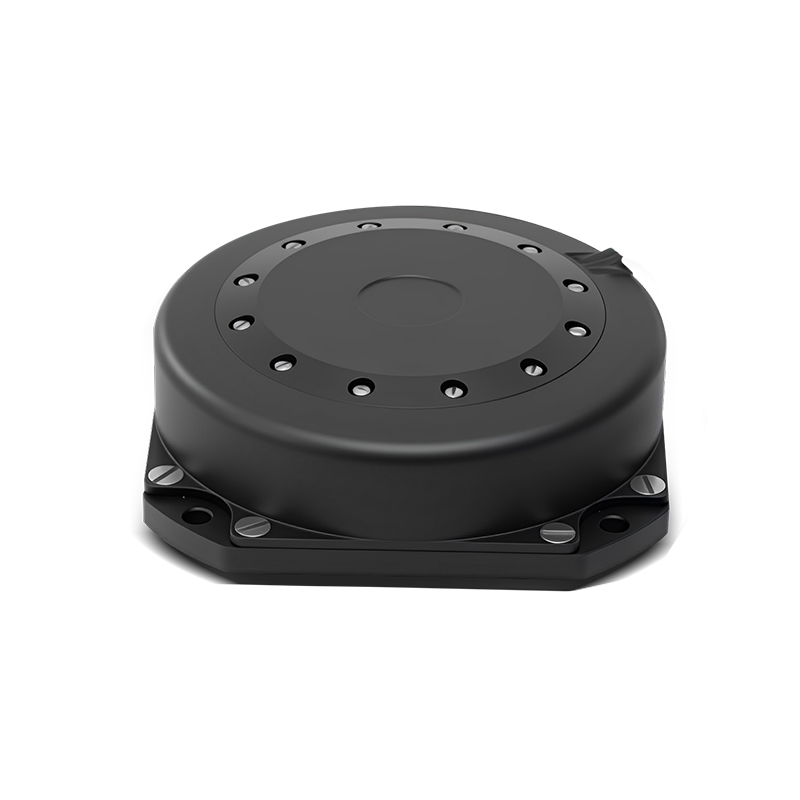 BSD98
BSD98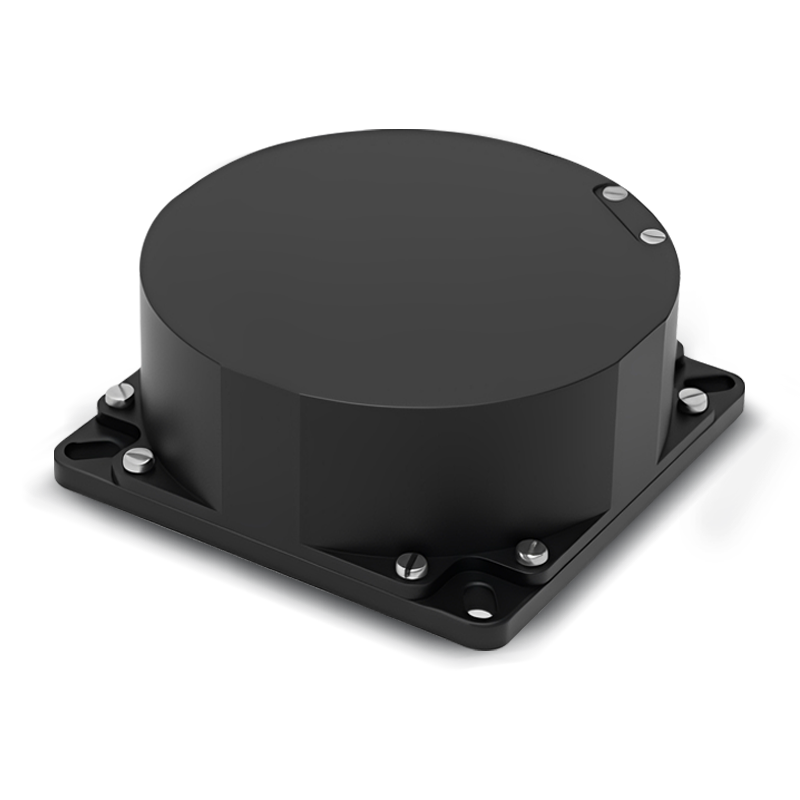 BSD70
BSD70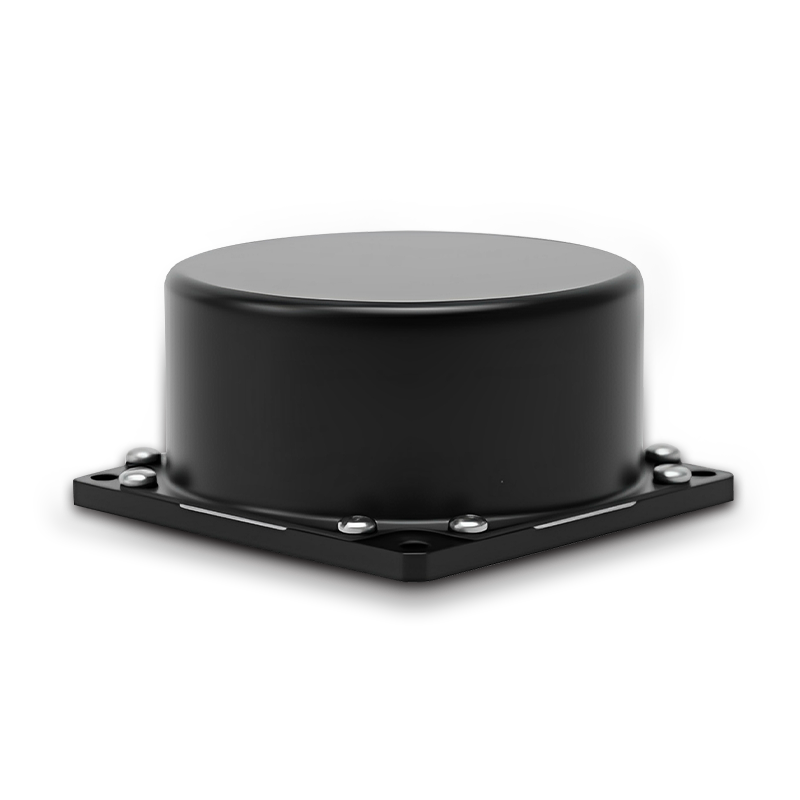 BSD60
BSD60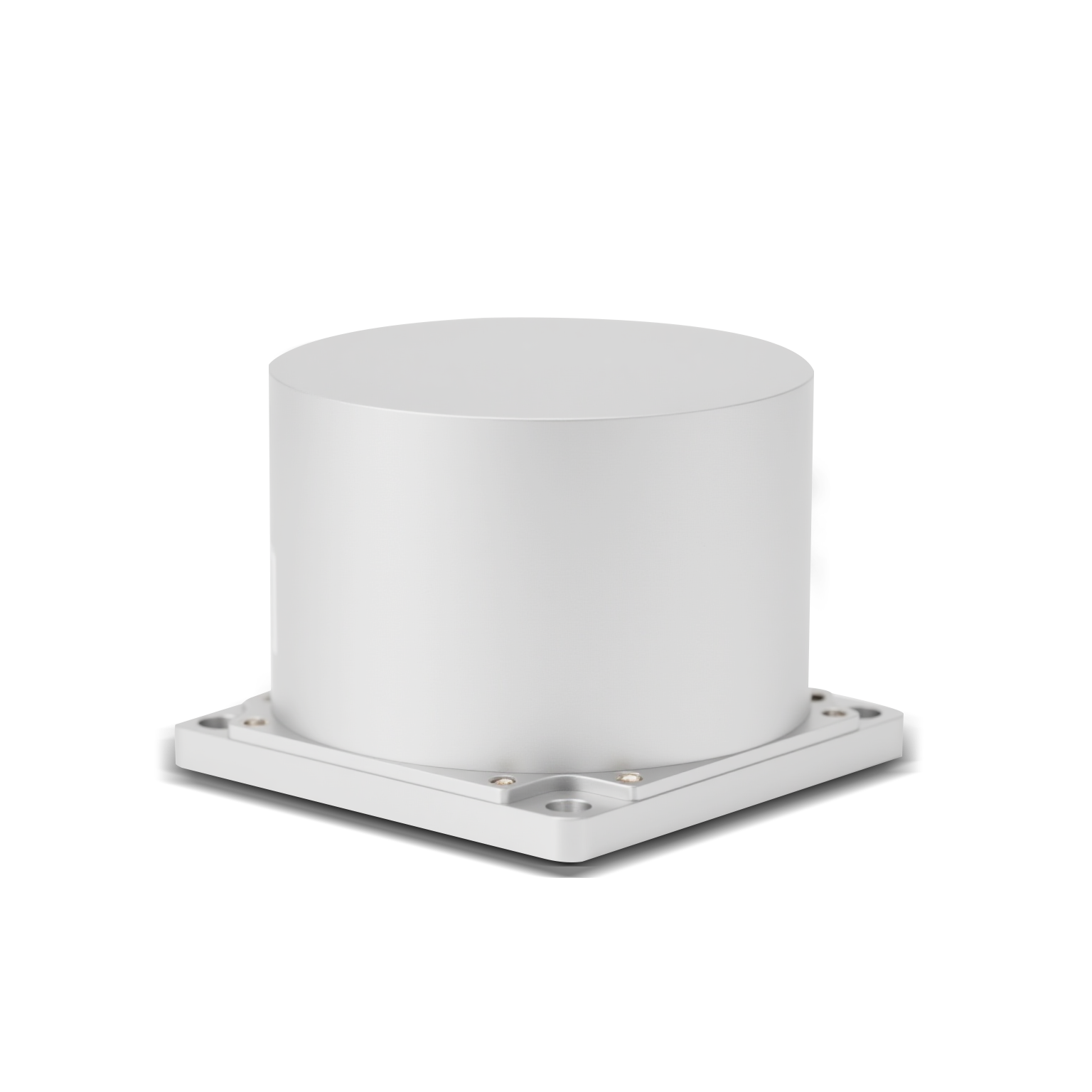 BSD50
BSD50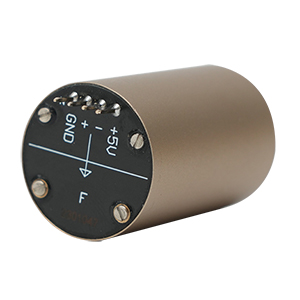 BSD217
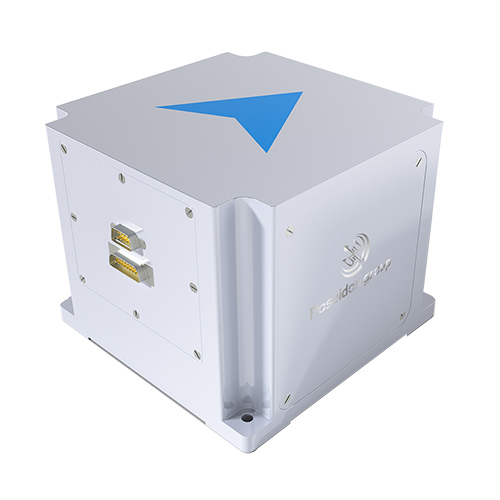 INS1700
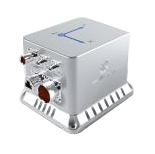 INS970
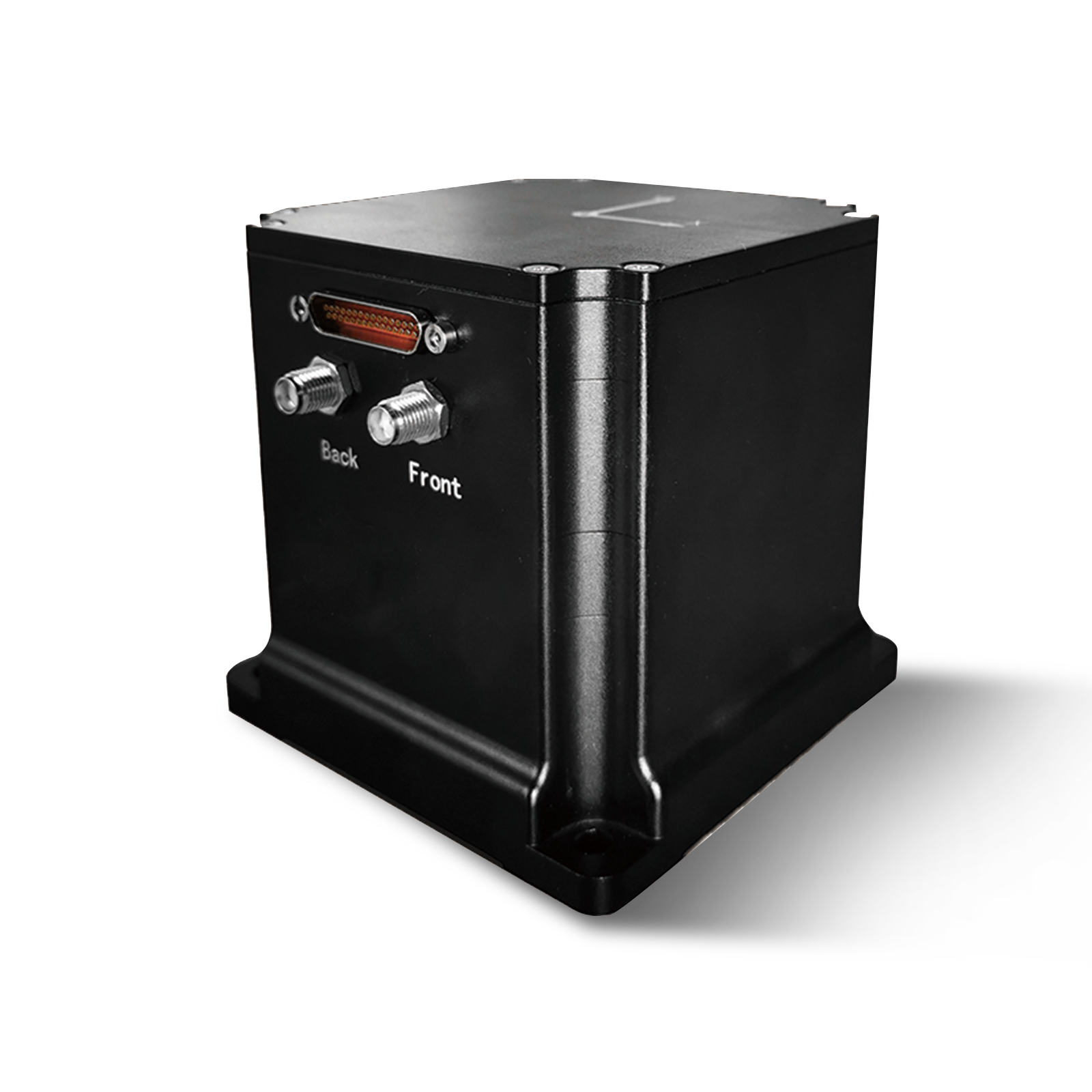 INS570
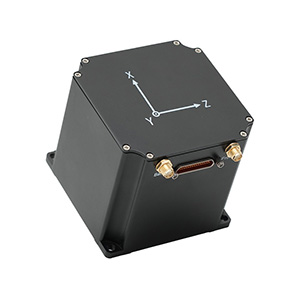 INS170
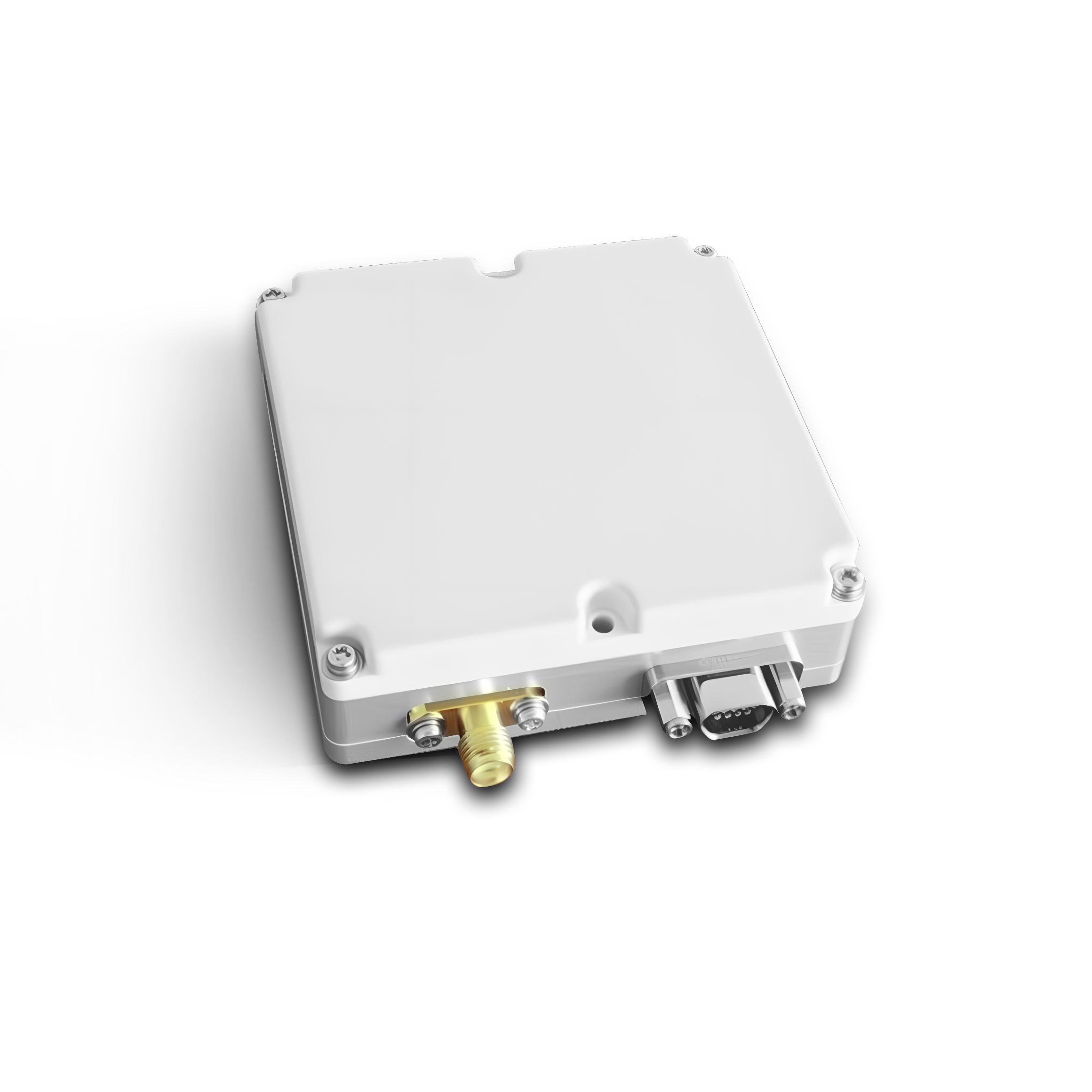 SLA-4B1L1-65
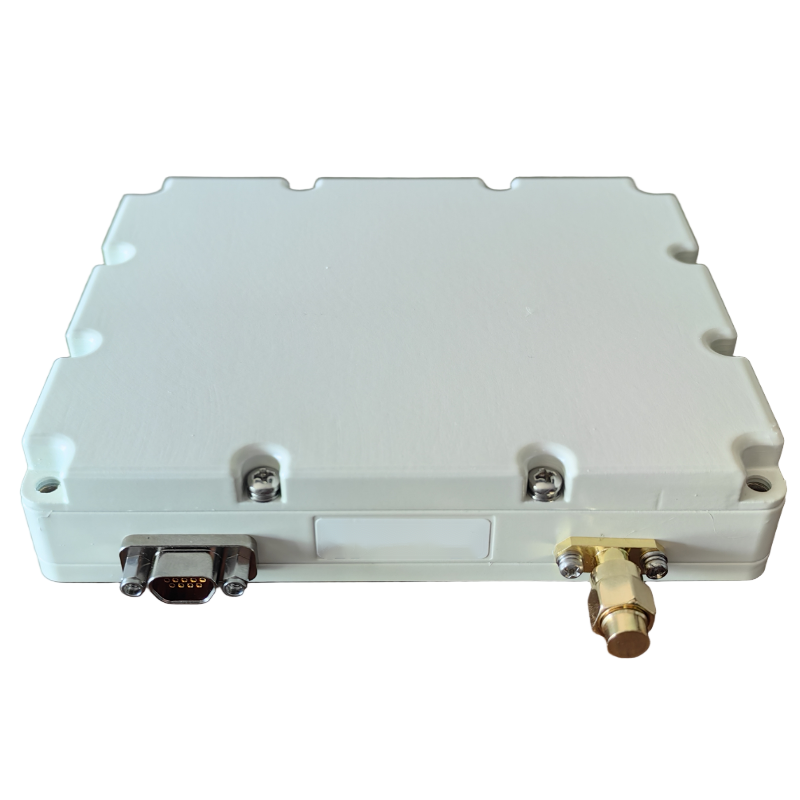 SLA-8B1L1-110
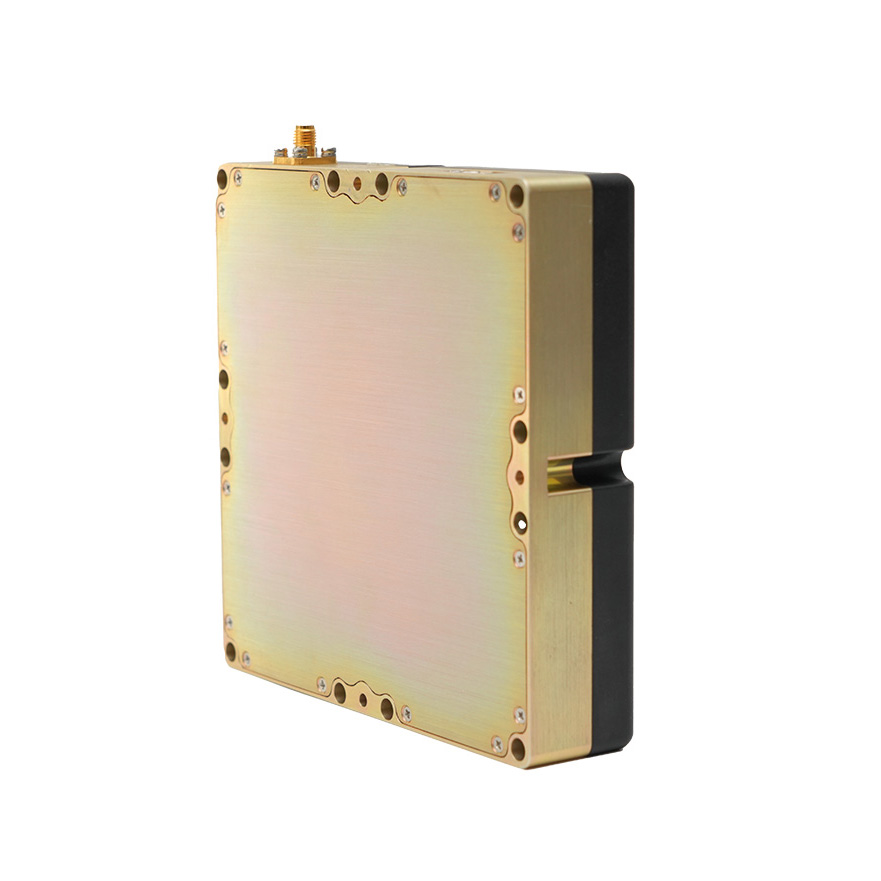 SLA-4B1L1-130
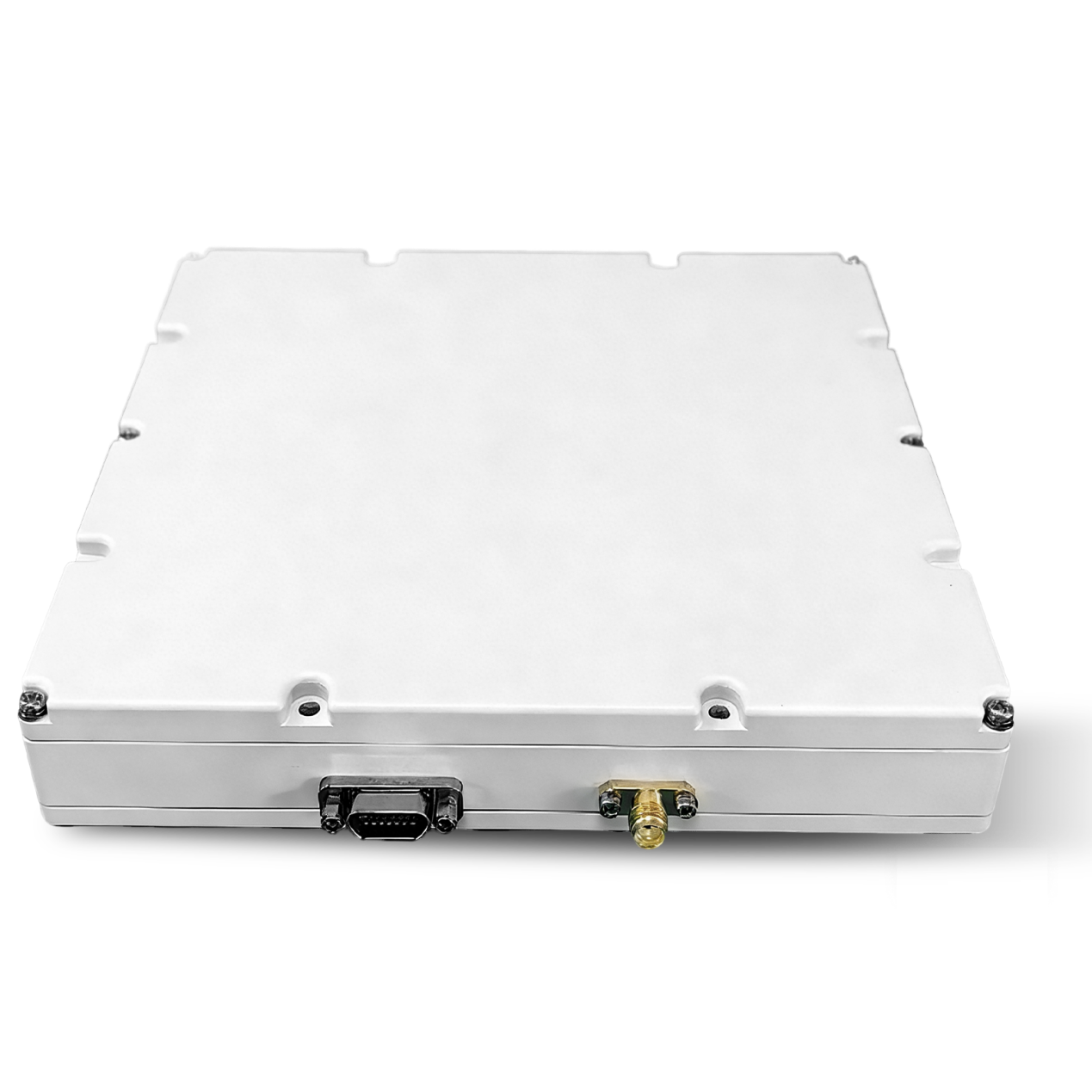 SLA-16B1L1-160
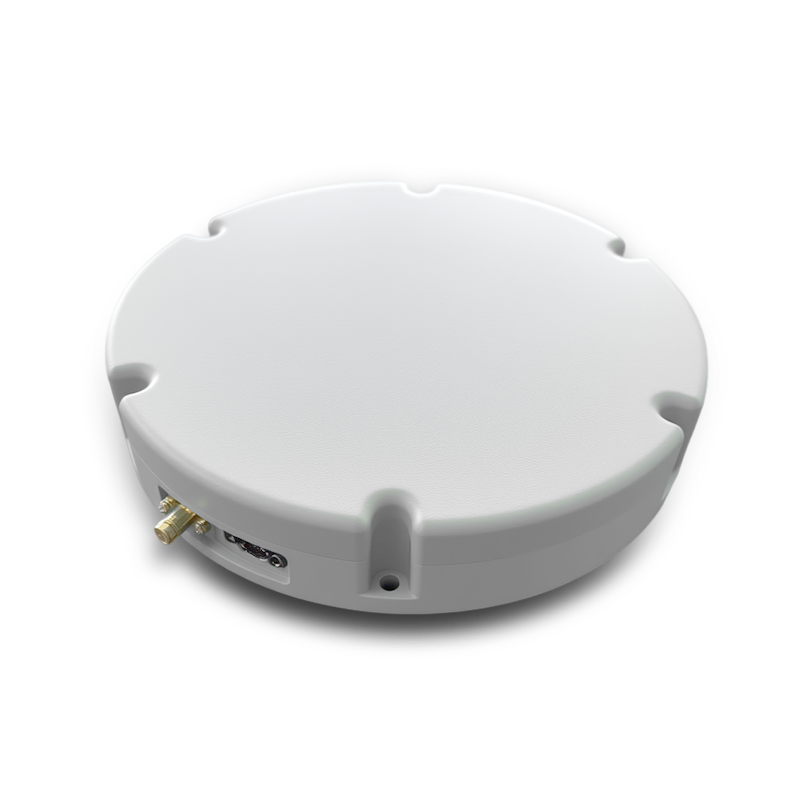 SLA-8B1L1-165
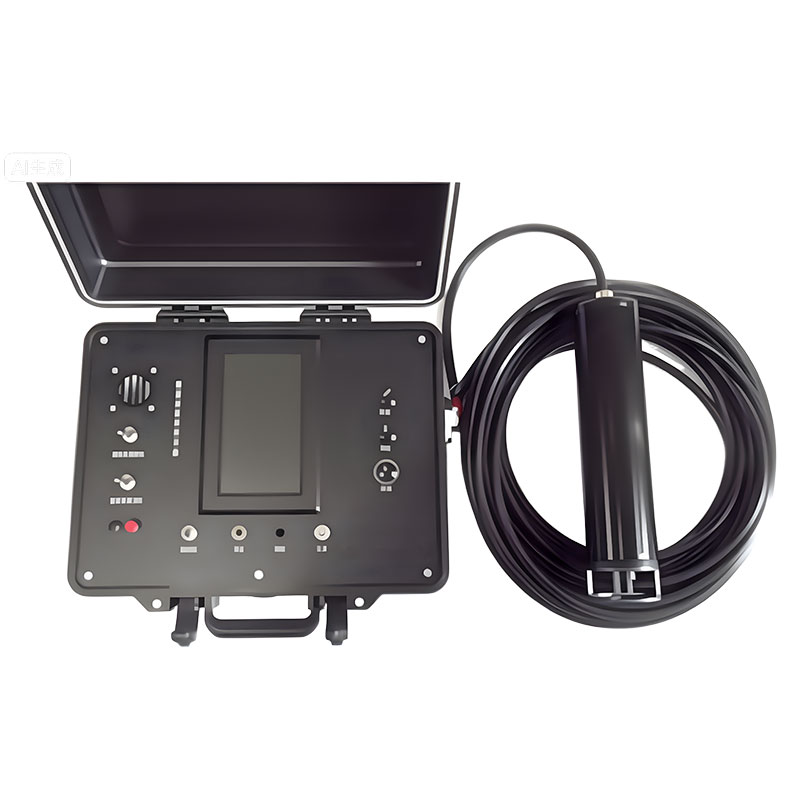 101 Vessel-mounted Positioning
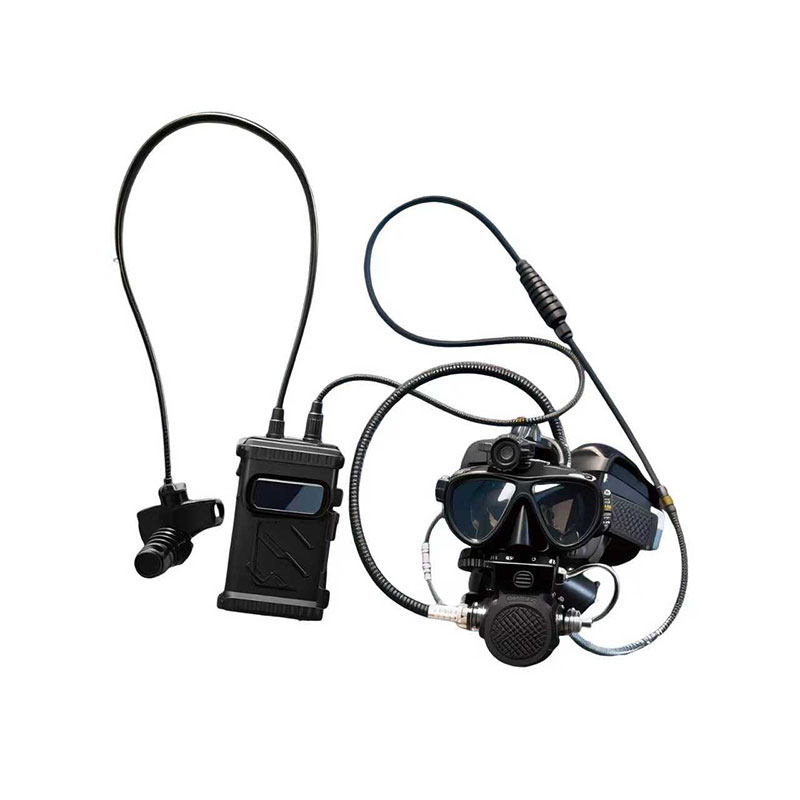 102 Acoustic Communication
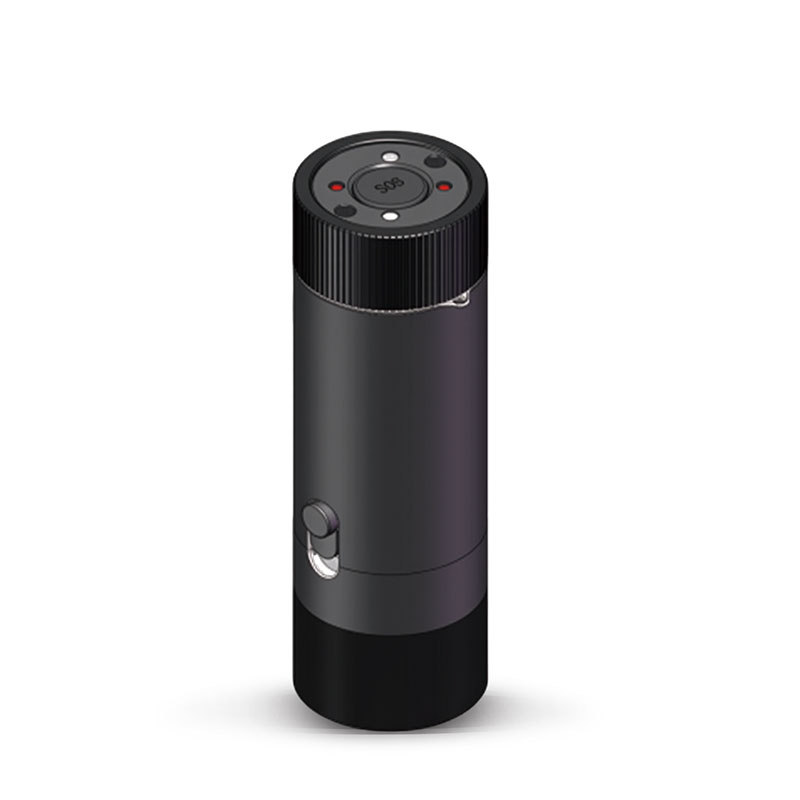 103 Tracking and Locating
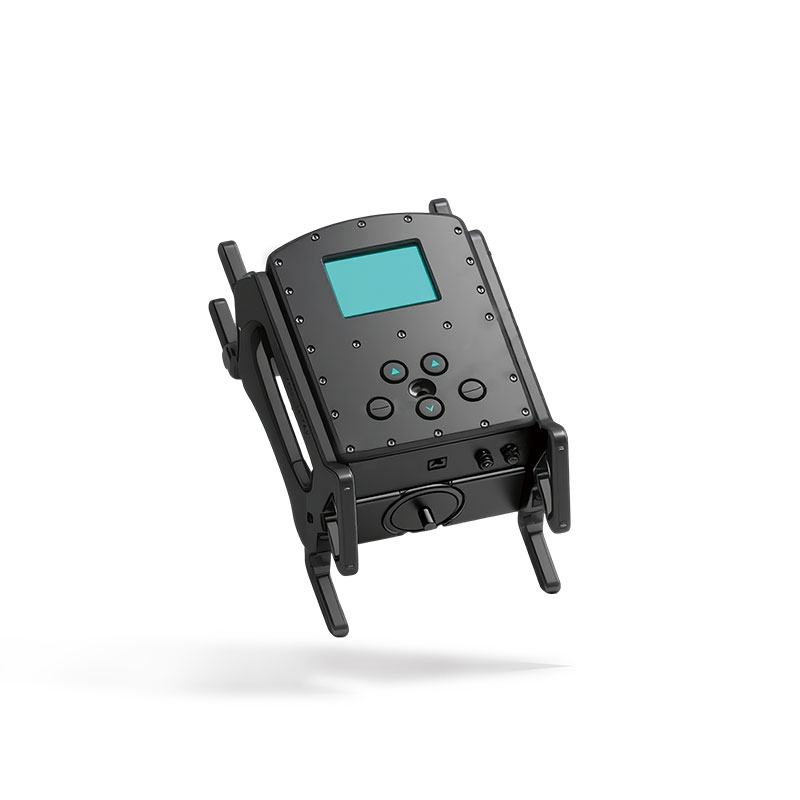 104 Diver Navigation System
 105 Intrusion Detection Sonar
 106 Delivery Locator Beacon
 SLLR3000
 SLLR905
 SLLD25
 108IMU
 150M
150M 500MH
500MH 160M
160M 170M
170M SLFC-70
 SLAF280
 MR360
MR360





How to Identify a Reliable Fiber Optic Gyroscope for Industrial Applications
Are you frustrated by gyroscopes that drift, fail under vibration, or need constant calibration? In demanding industrial environments—automated production, unmanned systems, robotics—you need a Fiber Optic Gyroscope you can trust. As a B2B buyer, you care about long-term stability, precision, and total cost. Here’s how to separate the dependable from the risky.
Why the Right Fiber Optic Gyroscope Matters
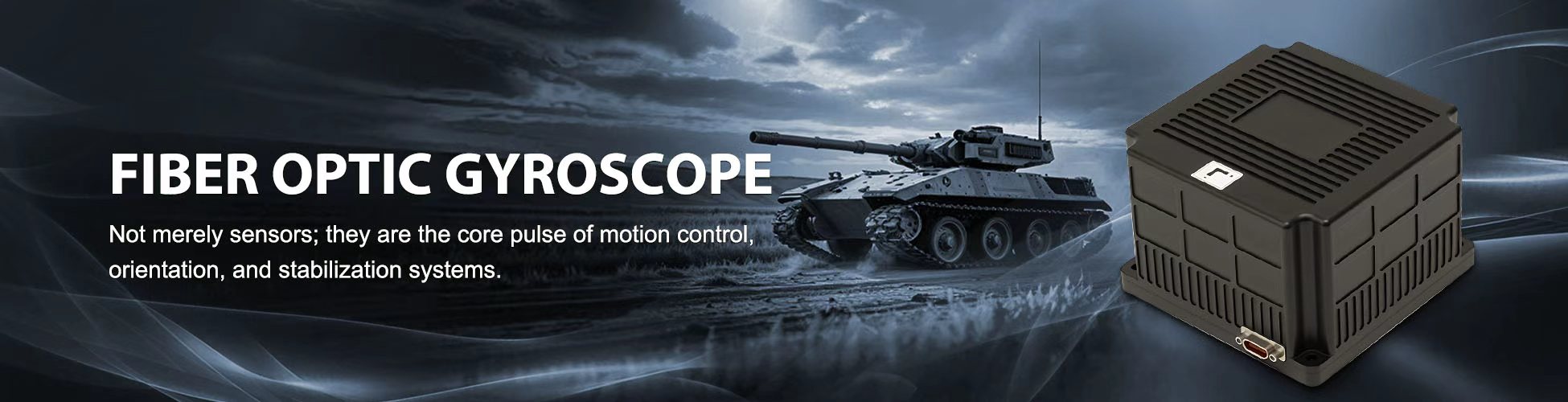
A Fiber Optic Gyroscope is more than just a sensor—it’s the heartbeat of motion control, orientation, and stabilization systems. In industrial settings, poor gyro performance can lead to misalignment, wasted material, downtime, and safety issues. A robust FOG ensures your systems behave predictably even under stress.
Key Features to Watch When Evaluating a Fiber Optic Gyroscope
1. Bias Stability & Low Drift
High-grade Fiber Optic Gyroscopes offer extremely low drift (bias instability), meaning their readings don’t wander over time. This ensures consistent accuracy in long-duration tasks.
2. High Dynamic Range & Response Speed
Your gyro must handle rapid rotation and sudden motion. Specifications like maximum input angular velocity and response bandwidth matter. These define how well the Fiber Optic Gyroscope performs when systems move fast or change direction abruptly.
3. Environmental Robustness
Industrial environments include vibration, shock, temperature swings, and electromagnetic noise. A reliable Fiber Optic Gyroscope has a rigid, stable structure with no moving parts, giving high immunity to vibration and long life.
4. Compactness, SWaP (Size, Weight, Power)
Space, weight, and power constraints are real in many systems. Models like the EG-120 FOG demonstrate that compact, low-power Fiber Optic Gyroscopes can still deliver strong performance, making integration easier.
5. Interface & Integration Capabilities
A quality Fiber Optic Gyroscope should integrate smoothly with your control systems—supporting digital output, standard protocols, and modular interfaces. This reduces development time and ensures future upgrades are easier.
How to Vet Suppliers & Reduce Risk
Ask for real-world test data: Request field results, not just datasheet specs.
Check long-term stability: Inquire about their drift performance over mission-length durations.
Probe warranty & support: Reliable providers back their products with long warranties and technical support.
Ensure consistency across units: For multi-unit systems, consistency in performance ensures easier calibration and system balance.
Business Benefits of Using a Trusted Fiber Optic Gyroscope
Reduced downtime: Fewer calibration cycles and failures mean your systems stay online.
Higher yield: Precision reduces waste in manufacturing and alignment losses.
Scalability: Standard, reliable gyros let you scale systems without reengineering.
Lower lifetime cost: Even if capital cost is higher, maintenance, replacement, and failure costs drop.
Why Poseidon Group’s Fiber Optic Gyroscopes Stand Out
At Poseidon Group, we design and manufacture Fiber Optic Gyroscopes that balance precision, robustness, and practicality. Our models are built using best-in-class optical coil winding and stabilization techniques to deliver low drift, high dynamic range, and resilience to tough environments.
When you partner with us, you don’t just get a product—you get support. We provide technical integration guidance, calibration services, and long-term customer care. Choosing Poseidon means choosing a reliable, scalable, and future-ready Fiber Optic Gyroscope solution tailored to your industrial success.